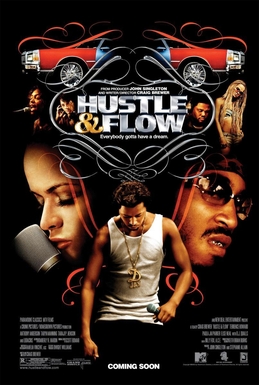
The raw, compelling narrative of Hustle And Flow thrusts viewers into the grimy yet vibrant streets of Memphis, Tennessee, introducing us to DJay, a character defined by his desperate circumstances and an even more desperate yearning for something more. This isn't just a story about a man changing careers; it's a powerful odyssey of transformation, ambition, and the unwavering belief in a second chance. From the mundane grind of pimping to the exhilarating creation of music, DJay's journey explores the very essence of what it means to truly hustle—not just for survival, but for the realization of a dream.
DJay’s life is a stark portrayal of stagnation. He’s a small-time pimp, trapped in a cyclical existence, wondering if the daily grind of selling "Nola" is all life has in store for him. But beneath the tough exterior and the weary eyes, there's a spark, a dormant creative fire waiting to ignite. This film meticulously unpacks the struggles of finding one's voice in an environment that tries its best to keep you silent, ultimately delivering a powerful message about the redemptive power of art and the relentless pursuit of one's true calling.
The Gritty Reality: DJay's Memphis and the Seeds of Discontent
Memphis is more than just a setting in Hustle And Flow; it's a character in itself, shaping DJay's worldview and fueling his ambition. We meet DJay at a crossroads, navigating the harsh realities of his life as a pimp. His days are a monotonous blur of managing a small stable of women, including Shug and Nola, and engaging in the petty crime necessary to survive. This isn't a life of luxury; it's a constant struggle for control and dignity in a world that offers little of either. The very term "hustle" takes on a dual meaning here, encapsulating both his illicit activities and the sheer willpower needed just to exist.
But beneath the surface of this weary existence, a profound dissatisfaction brews. DJay senses the dead-end nature of his path. He feels the weight of unfulfilled potential, a silent scream for an identity beyond the one he's been forced into. This internal conflict is crucial; it’s the fertile ground from which his musical aspirations eventually sprout. He's an observer, a storyteller by nature, even if his current narratives are steeped in street life and survival. The longing for artistic expression becomes his guiding light, a flicker of hope in an otherwise bleak landscape. This deep-seated desire to break free from the cycle of poverty and crime is the true engine driving the plot of Hustle And Flow.
From Contraband to Creativity: The Keyboard That Changed Everything
The turning point in DJay's life arrives not with a grand epiphany, but with a humble exchange: contraband for a beat-up keyboard. This transaction is loaded with symbolism. It represents DJay trading a piece of his old, destructive life for the tools of creation, a tangible step towards a new identity. The keyboard isn't just an instrument; it's a vessel for his long-suppressed dreams, a gateway to a world he only dared to imagine. This pivotal moment is a testament to the idea that sometimes, the greatest transformations begin with the smallest, most unexpected opportunities.
His reconnection with his old school friend, Key, a sound engineer now working a legitimate job, is equally crucial. Key represents not just a technical resource, but a bridge to DJay's past aspirations and a link to a future he desperately craves. Key's initial skepticism gives way to belief as he witnesses DJay's raw talent and burning ambition. Their collaboration isn't just about making music; it's about mutual respect, shared dreams, and the power of friendship to uplift and inspire. The journey with that keyboard, from its dusty acquisition to the beats it helped create, is a narrative in itself. For a deeper dive into this transformative object, explore Hustle & Flow: The Keyboard That Changed DJay's Life.
The Creative Flow: Crafting Beats and Building a Crew
With Key by his side, DJay embarks on the painstaking, often frustrating, but ultimately exhilarating process of laying down tracks. His makeshift studio in his own cramped home becomes a sanctuary, a place where the sounds of the street are transformed into compelling narratives. He pours his life experiences, his pain, his observations, and his desires into his lyrics, creating music that is raw, authentic, and undeniably powerful. This isn't just rapping; it's a cathartic act, a way to process his past and articulate his vision for the future.
The creation process quickly expands beyond DJay and Key. Shug, initially one of DJay's women, finds her voice as a singer, providing soulful hooks that elevate his gritty verses. Nola, another of his women, steps up as a vital helper, managing logistics and supporting the burgeoning enterprise. Even Shelby, Key's friend, contributes by providing equipment and technical know-how. This collaborative spirit underscores a key message of Hustle And Flow: true success is rarely achieved alone. It's built on shared passion, diverse talents, and a collective belief in a common goal. This transformation, from a lonely pimp to the leader of a creative team, is one of the most compelling aspects of the film. Music, in its purest form, offered DJay a profound escape and a path to self-discovery, a theme explored further in our deep dive into How Music Provided DJay a Way Out in Hustle & Flow.
Tips for Tapping into Your Own Creative "Hustle":
- Embrace Your Story: DJay’s lyrics are powerful because they come directly from his lived experience. Don’t shy away from your unique background; it’s your most authentic material.
- Seek Collaboration: Like DJay with Key, Shug, and Nola, finding like-minded individuals to work with can elevate your project and provide crucial support.
- Start Where You Are: DJay didn't wait for a fancy studio. He used what he had. Don't let a lack of perfect resources deter you from beginning your creative journey.
- Persistence is Key: There will be setbacks and moments of doubt. DJay faced numerous obstacles, but his relentless drive kept him pushing forward.
Beyond the Beat: Lessons from DJay's Transformation
DJay's story in Hustle And Flow is more than just a rags-to-riches tale; it’s a powerful testament to the human spirit's capacity for reinvention. His journey from pimp to producer highlights several universal themes that resonate deeply with audiences. Firstly, it underscores the importance of self-belief, even when no one else sees your potential. DJay had to overcome his own internal doubts and the external skepticism of those around him to even begin. Secondly, it champions the idea of a second chance. Society often writes off individuals based on their past, but DJay’s narrative forcefully argues that redemption and transformation are always possible, provided there's genuine effort and a clear vision.
Furthermore, the film showcases the profound therapeutic power of creative expression. For DJay, making music isn't just about fame or money; it's about finding an outlet for his emotions, processing his traumas, and ultimately, defining himself on his own terms. His "hustle" shifts from exploiting others to creating something meaningful and authentic. This transition isn't just external; it's a fundamental change in his moral and ethical compass, guided by the discipline and passion of artistic pursuit.
The enduring appeal of Hustle And Flow lies in its raw honesty and its celebration of the underdog. It reminds us that ambition knows no social boundaries and that talent can emerge from the most unexpected places. DJay’s relentless drive to leave his mark, to be heard, is a universal human desire, rendered with gripping intensity and authenticity. It's a call to action for anyone feeling trapped by their circumstances, a powerful reminder that the rhythm of your life can change if you're willing to find your own beat.
Ultimately, DJay's journey in Hustle And Flow is a powerful and inspiring narrative about finding one's true calling, transforming adversity into art, and proving that with enough hustle and a little flow, anyone can rewrite their destiny. It’s a compelling reminder that the biggest hustles are often those fought within ourselves, for the right to create, to connect, and to be truly free.